Building Envelopes That Maintain Consistent Conditions
Commercial Insulation Services in Trenton for facilities with thermal control and energy efficiency concerns
Facilities in Trenton, Liberty, Lathrop, and surrounding areas that struggle with inconsistent interior temperatures or high energy costs often face insulation deficiencies in walls, roofs, or other envelope components. Evolution Sprayfoam, LLC delivers commercial insulation solutions for businesses and nonresidential buildings where better thermal control supports operational needs and reduces the load on mechanical systems. The service addresses construction-specific requirements that differ from residential applications, including larger open spans, metal building components, and performance standards tied to building codes.
Properly selected insulation prevents heat transfer through roof decks, exterior walls, and other envelope surfaces where temperature differences drive energy loss. Commercial buildings often contain unique challenges such as thermal bridging through structural steel, air leakage at panel seams, and uninsulated areas above drop ceilings that allow conditioned air to escape into unconditioned zones.
Arrange an on-site consultation to review building-envelope performance and identify areas where insulation improvements would support your facility's thermal requirements.
How Insulation Addresses Nonresidential Performance Requirements
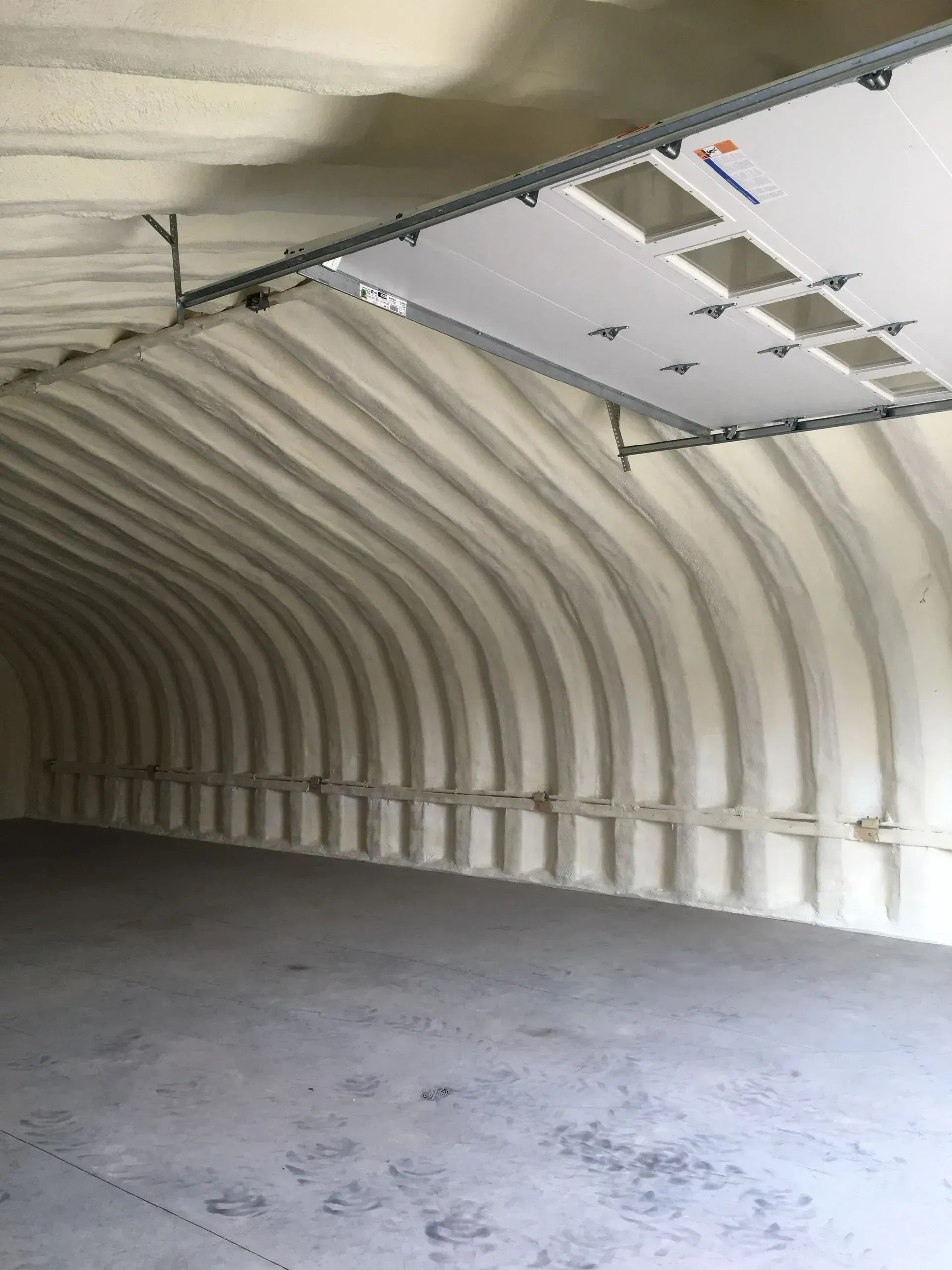
The process begins with evaluating the building's construction type, current insulation levels, and areas where heat transfer undermines HVAC performance. Metal buildings require insulation systems that prevent condensation on interior surfaces, while masonry or wood-frame structures need solutions that address thermal bridging and air leakage at different points in the envelope. Material selection depends on fire ratings, vapor control requirements, and whether the insulation must adhere to irregular surfaces or fill large cavities.
Once insulation is installed, interior spaces maintain more stable temperatures without the wide swings that occur when envelope deficiencies allow outdoor conditions to dominate indoor climate. Heating and cooling equipment runs less frequently because conditioned air remains inside the building rather than escaping through roof penetrations, wall joints, or uninsulated sections above finished ceilings. Employees and customers notice fewer drafts near exterior walls and more uniform temperatures across different zones within the facility.
The scope includes addressing specific performance gaps rather than applying a standard solution across all surfaces. Some areas may require only air sealing to stop leakage, while others need thicker insulation layers to meet code-required R-values or prevent condensation during temperature extremes common in Missouri's climate.
Common Questions About This Service
Business owners and facility managers typically ask about the differences between commercial and residential insulation and how the work affects building operations.
What makes commercial insulation different from residential insulation?
Commercial applications must address larger spans, different construction materials, stricter fire and vapor control codes, and performance requirements tied to mechanical system sizing and energy compliance standards rather than comfort alone.
How does insulation improve HVAC performance in a commercial building?
Insulation reduces the thermal load on heating and cooling equipment by preventing heat transfer through the envelope, allowing systems to maintain setpoint temperatures with less runtime and lower energy consumption.
When is insulation added to an existing commercial building?
Insulation becomes necessary when energy costs increase without changes in occupancy, when interior temperatures vary significantly across zones, or when condensation appears on walls and ceilings during cold weather in Trenton.
Why do metal buildings require specific insulation approaches?
Metal conducts heat rapidly, creating thermal bridging at structural members and condensation risk on interior surfaces, requiring insulation systems that break the thermal path and control vapor movement to prevent moisture accumulation.
What factors influence the insulation approach for a facility?
Building use, occupancy schedules, mechanical system design, local code requirements, and whether the building operates conditioned spaces year-round or seasonally all determine material selection and installation methods.
Evolution Sprayfoam, LLC tailors commercial insulation solutions to the construction and performance requirements of your facility. Contact our team at (660) 635-0147 to discuss building-specific needs and schedule an evaluation of current envelope conditions.