Foundation Work That Prevents Future Soil Washout
Below Grade Polyurethane in Trenton for voids beneath slabs and alongside foundation walls
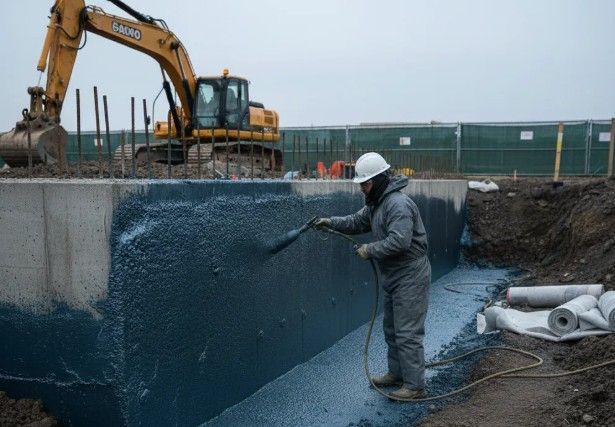
Below-grade polyurethane applications address problems that develop beneath structures or alongside foundation walls where soil has shifted, settled, or washed away. Evolution Sprayfoam, LLC evaluates the structure and site conditions before selecting material density and application method based on what the void pattern and moisture exposure require. Property owners in Trenton, Independence, Blue Springs, and the Kansas City area typically call for this work when floors feel spongy, when cracks widen along basement walls, or when drainage issues create voids that leave concrete unsupported.
The process involves injecting polyurethane through small ports drilled into the slab or along the foundation perimeter, filling voids that rainwater or poor compaction created over time. Material selection depends on whether the void requires structural support, moisture resistance, or both, and the polyurethane expands to fill irregular spaces that grout or traditional fill cannot reach.
Schedule a site evaluation to identify void locations and determine the application approach your foundation requires.
Why Below-Grade Polyurethane Works for Void Fill
Polyurethane below grade works because the material expands into spaces where access is limited and cures into a stable mass that resists further compression. The injection ports allow technicians to target specific void areas without excavating around the entire foundation, and the cured foam does not absorb groundwater the way soil backfill or some grouts will over time.
After the voids are filled, floors no longer shift when you walk across them, and foundation walls regain the lateral support that prevents further cracking. You also stop the cycle where rainwater washes more soil away because the polyurethane holds its position and does not erode or settle like loose fill material.
This approach does not replace structural repairs if the foundation itself has failed, and it works best when the concrete remains intact but has lost the soil support beneath or alongside it. The material selected and injection pressure used will vary depending on whether the goal is simply filling space or providing load-bearing support under a settled slab.
What Property Owners in Trenton Ask About Below-Grade Work
Below-grade polyurethane projects raise specific questions about access, material behavior, and when this approach makes sense compared to excavation or other methods.
What causes voids to form beneath slabs and foundation walls?
Voids develop when water washes soil away through poor drainage, when fill was not compacted properly during construction, or when organic material in the soil decomposes and leaves empty space.
How does the polyurethane reach spaces beneath an existing slab?
Technicians drill small injection ports through the slab at intervals determined by the void pattern, then pump polyurethane through those ports until the material fills the space and pressure indicates resistance.
What happens if moisture is present in the void during injection?
The polyurethane formulation selected for below-grade work is chosen based on moisture conditions, and some formulations react with water as part of the curing process rather than being damaged by it.
How long does the injected material take to stabilize?
Most polyurethane formulations cure within minutes to hours depending on temperature and humidity, and the slab can usually handle foot traffic shortly after injection is complete.
When should I consider below-grade polyurethane instead of excavation and recompaction?
Polyurethane injection makes sense when the foundation structure itself remains sound, when access for excavation is limited, or when the void pattern is localized rather than affecting the entire perimeter.
Evolution Sprayfoam, LLC evaluates your foundation and site conditions to determine whether below-grade polyurethane suits your void pattern and soil conditions. Request an assessment to review your foundation support and discuss the application method your project requires.